
Pigmentation and Melasma Treatment in Brighton: A Doctor's Approach

Pigmentation treatment at Dr Selvi Clinic in Brighton starts with diagnosis, because sun spots, post-acne marks and melasma need different care. After examination with a Wood's lamp and dermatoscopy, options include chemical peels from £89, stain mesotherapy £149 and microneedling £169, built on daily sun protection. The first step is a free, no-obligation consultation.
Three kinds of pigmentation that look similar and behave differently
Brown marks on the face are common, and commonly mistreated. Three patterns account for most cases:
Sun spots (solar lentigines). Flat, well-defined brown patches on sun-exposed areas: cheeks, temples, forehead, hands. They are caused by cumulative UV exposure and become more numerous with age. They respond well to treatment but return with further sun exposure.
Post-inflammatory hyperpigmentation (PIH). Brown or grey-brown marks left after acne, eczema, an insect bite or a procedure. More common and longer lasting in medium and darker skin tones. PIH fades with time, sun protection and gentle treatment; aggressive treatment makes it worse.
Melasma. Symmetrical, blotchy brown or grey patches, typically across the cheeks, upper lip, forehead or bridge of the nose. Driven by a combination of UV and visible light, hormones (pregnancy, contraception, hormone therapy) and genetics. Melasma is a chronic condition that is managed over years, not removed in a course.
Some flat brown lesions are not pigmentation problems at all but moles or other lesions that deserve a proper look.
Why diagnosis has to come first
The wrong treatment for the wrong pigmentation does harm. A peel that clears a sun spot can trigger a melasma flare. Heat-based treatments can darken PIH. A brown patch assumed to be melasma might be a lesion that needs assessing rather than lightening.
Dr Selvi therefore examines every case before discussing treatment:
Wood's lamp. Under ultraviolet light, pigment that sits in the epidermis becomes more distinct, while dermal pigment is less accentuated. This gives an indication of depth, and depth predicts response. Epidermal melasma tends to respond better to topical and superficial treatment; dermal or mixed melasma is slower and needs more conservative expectations.
Dermatoscopy (£69). A magnified, polarised view of the pigment pattern. It helps distinguish a sun spot from a mole or another lesion. The clinic's approach to mole checks and dermoscopy applies to any pigmented lesion that looks atypical.
History. Sun habits, hormonal history, previous treatments, current skincare and skin tone.
Where a lesion needs further assessment, the clinic will say so and refer rather than treat.
Sun protection is the treatment, not the aftercare
Every pigmentation plan at the clinic rests on daily broad-spectrum sun protection, SPF 30 to 50, applied every morning and reapplied when outdoors, twelve months a year. For melasma, a tinted mineral sunscreen containing iron oxides adds protection against visible light, which also stimulates pigment. Without it, in-clinic treatment is temporary and expensive; with it, many people see improvement in PIH and mild melasma from a sensible home routine alone.
Dr Selvi reviews the home routine at consultation. Where a prescription-strength cream is likely to be needed, that is arranged through a GP or dermatologist.
In-clinic options and what each does
Chemical peels (from £89 per session, course of 4 £299). Superficial peels lift pigmented surface cells and speed turnover. They are the usual choice for sun spots and PIH, and for epidermal melasma in a cautious, low-strength series. Sessions are 2 to 4 weeks apart. Downtime is mild redness and light flaking for 2 to 5 days. The risk that matters is rebound pigmentation if the peel is too strong or sun protection lapses, so strength is built up gradually. See chemical peels in Brighton.
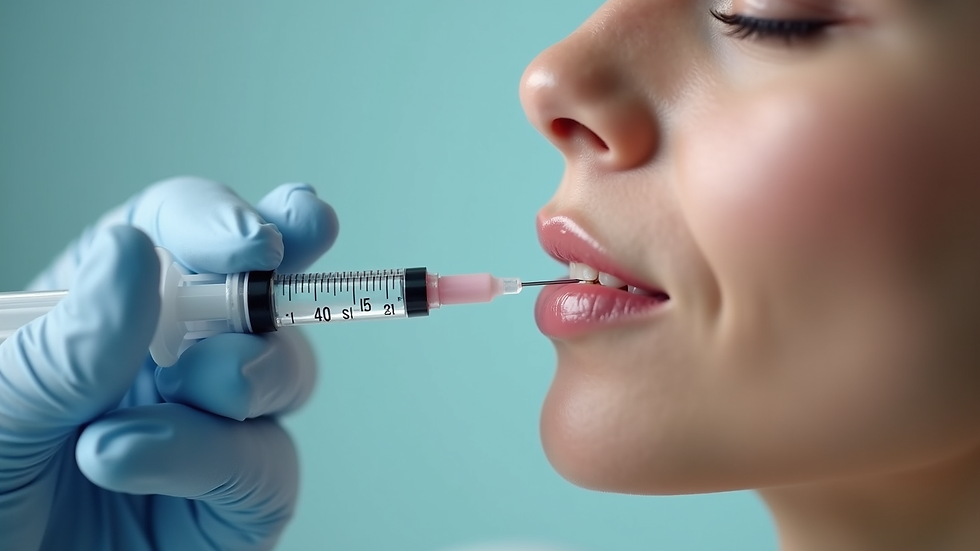
Stain mesotherapy (£149 per session). A blend of brightening, antioxidant and skin-conditioning ingredients delivered by micro-injection into the superficial skin, where creams penetrate poorly. It suits melasma and diffuse dullness, particularly in skin tones where peels need to be very gentle. Usually 3 to 4 sessions, 2 to 3 weeks apart. Downtime is small injection bumps and possible pinpoint bruising for 24 to 48 hours. Risks include temporary redness and, rarely, bruising or reaction to an ingredient. The general principles are covered in the mesotherapy guide.
Microneedling (£169 per session). Used in two ways: to improve delivery of brightening agents into the skin, and to address the textural change that often accompanies old post-acne marks. It is not a first-line melasma treatment on its own, because trauma can provoke pigment in susceptible skin, so depth is kept conservative. Typically 3 to 4 sessions, 4 to 6 weeks apart, with 24 to 48 hours of redness. Details in medical microneedling in Brighton, and for combined mark-and-scar cases see acne scar treatment.
Skin boosters. Injectable hyaluronic-acid based treatments that improve hydration and skin quality rather than pigment directly. They are added where the skin is dry, dull or thin. See skin boosters in Brighton.
All prices are on the pricing page. The final plan and cost are confirmed after examination.
Melasma: managed, not cured
The most important thing to understand about melasma is that it is a chronic condition with a strong tendency to return. Treatment lightens the patches, sometimes considerably, but sun exposure, a change in hormonal contraception or a pregnancy can bring it back. The aim is long-term control: strict light protection, a maintenance home routine, and periodic top-up treatment rather than a one-off fix.
The clinic does not describe melasma treatment as permanent, and is cautious about heat-based devices, which can make melasma worse.
Frequently asked questions
What is the best treatment for pigmentation on the face?
It depends entirely on the cause. Sun spots and post-acne marks usually respond to superficial peels and sun protection. Melasma needs a gentler, longer plan built around light protection, with mesotherapy or low-strength peels as support. Diagnosis with a Wood's lamp and dermatoscopy comes first.
Can melasma be cured?
No. Melasma is a chronic condition that can be lightened and controlled but tends to return with sun exposure or hormonal change. Treatment aims for long-term management, not a permanent result.
How long does it take to see results from pigmentation treatment?
Sun spots and PIH often improve over 6 to 12 weeks with a peel series and consistent SPF. Melasma is slower, typically 3 to 6 months for meaningful lightening, and needs ongoing maintenance.
Is pigmentation treatment safe for darker skin?
Yes, with a conservative approach. Darker skin tones are more prone to post-inflammatory pigmentation from treatment itself, so the clinic uses lower-strength peels, gentle mesotherapy and careful microneedling depth, and insists on sun protection.
Do I need a mole check before pigmentation treatment?
If any brown patch is new, changing, irregular or raised, it should be examined with a dermatoscope before anything is applied to it. The clinic checks pigmented lesions as part of the consultation and refers where needed.
How much does pigmentation or melasma treatment cost in Brighton?
At Dr Selvi Clinic, chemical peels are £89 per session or £299 for a course of 4, stain mesotherapy is £149 per session, microneedling is £169 per session and dermatoscopy is £69. The consultation is free, and the final cost depends on the plan agreed.
Who will treat me
Dr Selvi, founder and medical director, ECFMG-registered doctor with over 10 years of medical and aesthetic experience.
Book a free consultation
The clinic's principle is diagnosis before treatment: pigmentation is examined with a Wood's lamp and dermatoscopy before any option is recommended. Book a free, no-obligation consultation at 57B London Road, Brighton BN1 4JE, call +44 7570 099947, or use the contact page.
Comments